
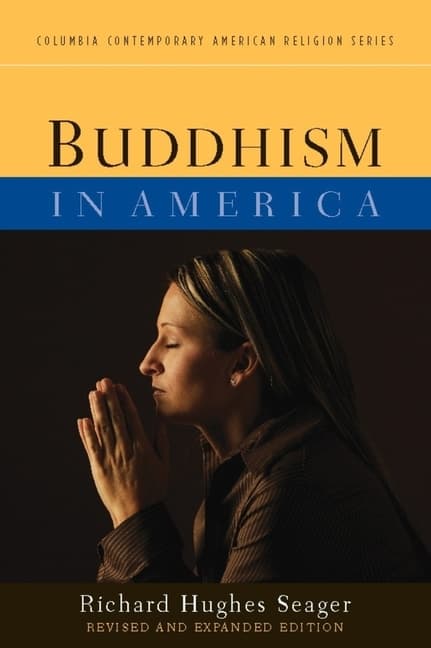
Buddhism in America (Revised, Expanded)
by Richard Hughes Seager
Rent This Book
Returns in 60 days
Please Note: Rental books are typically used and do not come with any unused access code cards.
Free returns on all rentals
Product Details
About This Book
Over the past half century in America, Buddhism has grown from a transplanted philosophy to a full-fledged religious movement, rich in its own practices, leaders, adherents, and institutions. Long favored as an essential guide to this history, Buddhism in America covers the three major groups that shape the tradition--an emerging Asian immigrant population, native-born converts, and old-line Asian American Buddhists--and their distinct, yet spiritually connected efforts to remake Buddhism in a Western context.
This edition updates existing text and adds three new essays on contemporary developments in American Buddhism, particularly the aging of the baby boom population and its effect on American Buddhism's modern character. New material includes revised information on the full range of communities profiled in the first edition; an added study of a second generation of young, Euro-American leaders and teachers; an accessible look at the increasing importance of meditation and neurobiological research; and a provocative consideration of the mindfulness movement in American culture. The volume maintains its detailed account of South and East Asian influences on American Buddhist practices, as well as instances of interreligious dialogue, socially activist Buddhism, and complex gender roles within the community. Introductory chapters describe Buddhism's arrival in America with the nineteenth-century transcendentalists and rapid spread with the Beat poets of the 1950s. The volume now concludes with a frank assessment of the challenges and prospects of American Buddhism in the twenty-first century.