
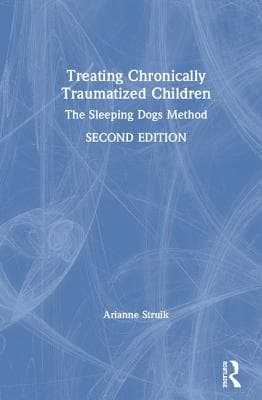
Treating Chronically Traumatized Children: The Sleeping Dogs Method
by Struik, Arianne
Rent This Book
Returns in 60 days
Please Note: Rental books are typically used and do not come with any unused access code cards.
Free returns on all rentals
Product Details
About This Book
When children refuse or seem unable to talk about their traumatic memories, it might be tempting to 'let sleeping dogs lie'. However, if left untreated, the memories of childhood abuse and neglect can have a devastating effect on the development of children and young people. How can these children be motivated and engage in trauma-focused therapy? Treating Chronically Traumatized Children: The Sleeping Dogs Method describes a structured method to overcome resistance and enable children to wake these sleeping dogs safely, so these children heal from their trauma.
The 'Sleeping Dogs method' is a comprehensive approach to treating chronically traumatized children, first preparing the child to such an extent that he or she can engage in therapy to process traumatic memories, then by the trauma processing and integration phase. Collaboration with the child's network, the child's biological family including the abuser-parent and child protection services, are key elements of the 'Sleeping Dogs method'. The underlying theory about the consequences of traumatization, such as disturbed attachment and dissociation, is described in a comprehensive, easy-to-read manner illustrated with case studies and is accompanied by downloadable worksheets. This new edition has been updated to include the clinical experience in working with this method and the most recent literature and research, as well as entirely new chapters that apply the 'Sleeping Dogs method' to the experiences of children in foster care and residential care, and those with an intellectual disability.
Treating Chronically Traumatized Children will have a wide appeal, including psychologists, psychiatrists, psychotherapists, counsellors, family therapists, social workers, child protection, frontline, foster care and youth workers, inpatient and residential staff and (foster or adoptive) parents.