
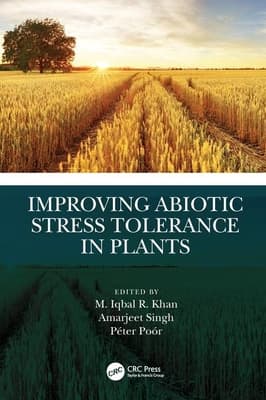
Improving Abiotic Stress Tolerance in Plants
by R. Khan, M. Iqbal, Singh, Amarjeet, Po�r, P�ter
Rent This Book
Returns in 60 days
Please Note: Rental books are typically used and do not come with any unused access code cards.
Free returns on all rentals
Product Details
About This Book
Abiotic stresses such as drought, flooding, high or low temperatures, metal toxicity and salinity can hamper plant growth and development. Improving Abiotic Stress Tolerance in Plants explains the physiological and molecular mechanisms plants naturally exhibit to withstand abiotic stresses and outlines the potential approaches to enhance plant abiotic stress tolerance to extreme conditions. Synthesising developments in plant stress biology, the book offers strategies that can be used in breeding, genomic, molecular, physiological and biotechnological approaches that hold the potential to develop resilient plants and improve crop productivity worldwide.
Features
- Comprehensively explains molecular and physiological mechanism of multiple abiotic stress tolerance in plants
- Discusses recent advancements in crop abiotic stress tolerance mechanism and highlights strategies to develop abiotic stress tolerant genotypes for sustainability
- Stimulates synthesis of information for plant stress biology for biotechnological applications
- Presents essential information for large scale breeding and agricultural biotechnological programs for crop improvement
Written by a team of expert scientists, this book benefits researchers in the field of plant stress biology and is essential reading for graduate students and researchers generating stress tolerant crops through genetic engineering and plant breeding. It appeals to individuals developing sustainable agriculture through physiological and biotechnological applications.