
ISBN-13: 9781605356846
Trade Paperback
650 Pages
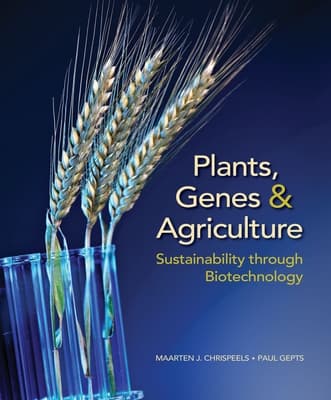
Plants, Genes, and Agriculture: Sustainability Through Biotechnology
by Chrispeels, Maarten J., Gepts, Paul
Availability Unavailable
This book is not currently available for rent or purchase.
Product Details
ISBN-139781605356846
ISBN-101605356840
PublisherSinauer Associates Is an Imprint of Oxford Un
Published11-2017
Edition1st
LanguageEnglish
FormatTrade Paperback
Pages650
About This Book
Presenting and integrating information from many disciplines, this book invites readers to consider the complexity of feeding humanity and increasing food production sustainably. Topics covered include: -- the development, physiology, and nutrition of plants
-- human nutrition and food safety
-- photosynthesis and energy transformations
-- genetics, molecular biology, and genomics, including the techniques of genetic transformation (gene silencing, gene editing with CRISPR) used in modern crop breeding
-- crop domestication and plant breeding
-- soil ecosystems
-- the biotic (animal pests, diseases, and weeds) and abiotic (drought, flooding, temperature extremes, and soil degradation) stresses that limit crop production
-- technological advances and how new innovations (equipment, chemical products, and improved plant varieties) reach farmers and eventually affect what we eat; also discusses legal aspects (e.g., patents) relevant to agricultural innovations
-- plants as sources of pharmaceuticals and specialty chemicals Although publicized in the controversies surrounding "genetically modified organisms" (GMOs), the applications of modern biotechnology to agriculture extend far beyond GMOs, and include crop improvements that rely on knowledge of the plant's genomes and its analysis by bioinformatics. This unifying theme of the text is stressed in coverage of a number of issues that appear throughout the chapters, including: -- how crop plant breeders look for specific traits to solve practical problems
-- genetic engineering of crops as a useful way to supplement conventional plant breeding
-- the nature of agribusiness in industrialized countries
-- the vital contributions of developing countries and their smallhold farmers, and the unique challenges facing them Challenging and controversial topics such as the safety of pesticides and GMOs, the increasing demand for animal products and the stresses this puts on agricultural output, organic farming and foods, and patenting new crop varieties are dealt with in a balanced way, inviting teachers and students to consider all the implications of these serious questions.
-- human nutrition and food safety
-- photosynthesis and energy transformations
-- genetics, molecular biology, and genomics, including the techniques of genetic transformation (gene silencing, gene editing with CRISPR) used in modern crop breeding
-- crop domestication and plant breeding
-- soil ecosystems
-- the biotic (animal pests, diseases, and weeds) and abiotic (drought, flooding, temperature extremes, and soil degradation) stresses that limit crop production
-- technological advances and how new innovations (equipment, chemical products, and improved plant varieties) reach farmers and eventually affect what we eat; also discusses legal aspects (e.g., patents) relevant to agricultural innovations
-- plants as sources of pharmaceuticals and specialty chemicals Although publicized in the controversies surrounding "genetically modified organisms" (GMOs), the applications of modern biotechnology to agriculture extend far beyond GMOs, and include crop improvements that rely on knowledge of the plant's genomes and its analysis by bioinformatics. This unifying theme of the text is stressed in coverage of a number of issues that appear throughout the chapters, including: -- how crop plant breeders look for specific traits to solve practical problems
-- genetic engineering of crops as a useful way to supplement conventional plant breeding
-- the nature of agribusiness in industrialized countries
-- the vital contributions of developing countries and their smallhold farmers, and the unique challenges facing them Challenging and controversial topics such as the safety of pesticides and GMOs, the increasing demand for animal products and the stresses this puts on agricultural output, organic farming and foods, and patenting new crop varieties are dealt with in a balanced way, inviting teachers and students to consider all the implications of these serious questions.